반응형
마음을 열고 싶으나, 먼저 하기가 쉽지 않다.
Three round smooth stones으로 용기를 내어 시작하자.
You have shown us that sharing makes us all more richer.
To be happy is as simple as making stone soup.
Stone Soup (돌맹이 스프)
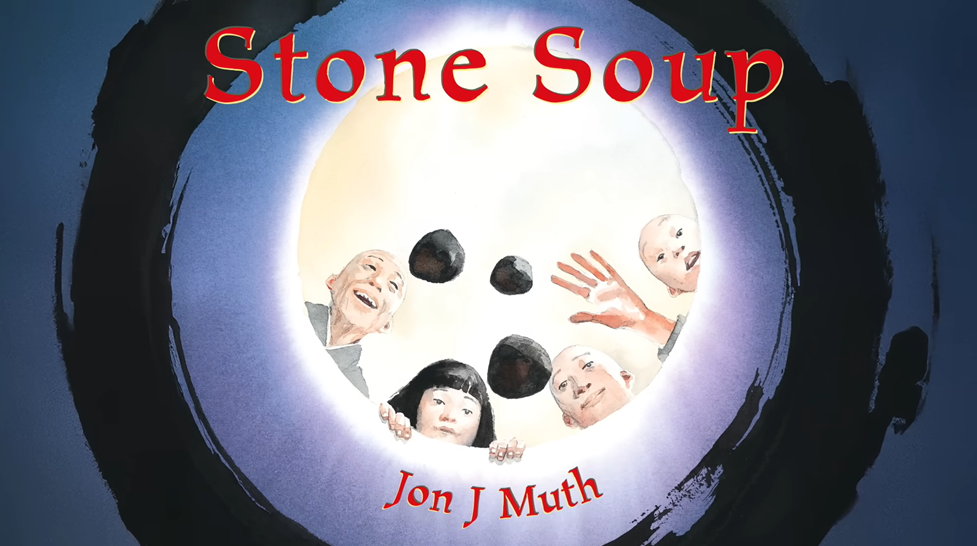
- Three monks, Hok, Lok, and Siew, traveled along a mountain road. (혹, 록, 그리고 시우라는 세 스님이 산길을 따라 여행하고 있었습니다.)
- “What makes one happy, Siew?” asked Hok, the youngest monk. Old Siew, the wisest, said, “Let’s find out.” ("시우 스님, 무엇이 사람을 행복하게 만드나요?" 막내 혹이 물었습니다. 가장 지혜로운 큰스님 시우가 대답했습니다. "직접 알아보자꾸나.")
- Famine, floods, and war had made the villagers weary and untrusting of strangers. (기근과 홍수, 그리고 전쟁은 마을 사람들을 지치게 만들었고 낯선 이를 믿지 못하게 했습니다.)
- The villagers worked hard, but only for themselves. They had little to do with one another. (마을 사람들은 열심히 일했지만, 오직 자신들만을 위해서였습니다. 서로 교류하는 일도 거의 없었죠.)
- “These people do not know happiness,” they all agreed. “But today, we will show them how to make stone soup.” ("이 사람들은 행복이 무엇인지 모르는군요," 그들은 동의했습니다. "하지만 오늘, 우리가 돌맹이 스프를 만드는 법을 보여줍시다.")
- A brave little girl who had been watching came to them. “What are you doing?” she asked. (지켜보고 있던 한 용기 있는 소녀가 그들에게 다가왔습니다. "무엇을 하고 계세요?" 소녀가 물었죠.)
- “We are making stone soup and we need three round, smooth stones,” said Siew. ("돌맹이 스프를 만들고 있단다. 둥글고 매끄러운 돌 세 개가 필요해," 시우 스님이 말했습니다.)
- “These stones will make excellent soup,” said Siew. “But this very small pot won’t make much I’m afraid.” ("이 돌들이 아주 훌륭한 스프를 만들어 줄 거야," 시우가 말했습니다. "하지만 이 작은 냄비로는 양이 넉넉지 않을 것 같아 걱정이구나.")
- “Of course, old-style stone soup should be well seasoned with salt and pepper,” said Hok. ("물론, 전통 방식의 돌맹이 스프에는 소금과 후추로 간을 잘 맞춰야 하죠," 혹이 말했습니다.)
- “I have some salt and pepper!” said the scholar, his eyes big with curiosity. ("저에게 소금과 후추가 있습니다!" 호기심으로 눈이 커진 학자가 말했습니다.)
- “The last time we had soup stones of this size, carrots made the broth very sweet.” ("지난번에 이 정도 크기의 돌로 스프를 끓였을 땐, 당근이 국물을 아주 달콤하게 만들어 주었지.")
- Something magical began to happen among the villagers. As each person opened their heart to give, the next person gave even more. (마을 사람들 사이에 마법 같은 일이 일어나기 시작했습니다. 한 사람이 마음을 열어 나누자, 다음 사람은 더 많은 것을 내놓았습니다.)
- “I imagine the Emperor would suggest we add dumplings!” said one villager. ("황제라면 만두를 넣으라고 하셨을 것 같아요!" 한 마을 사람이 외쳤습니다.)
- At last, the soup was ready. The villagers gathered together. They brought rice, steamed buns, and tea. (마침내 스프가 완성되었습니다. 마을 사람들은 한데 모였습니다. 그들은 쌀밥과 찐빵, 그리고 차를 가져왔습니다.)
- They had not been together for a feast like this for as long as anyone could remember. (어느 누구의 기억 속에서도, 이렇게 다 함께 잔치를 벌인 적은 없었습니다.)
- In the gentle spring morning, everyone gathered together near the willows to say farewell. (부드러운 봄날 아침, 모두가 버드나무 근처에 모여 작별 인사를 나누었습니다.)
- “With the gifts you have given, we will always have plenty. You have shown us that sharing makes us all richer.” ("당신들이 주신 선물 덕분에 우리는 언제나 풍족할 거예요. 나눔이 우리 모두를 더 풍요롭게 만든다는 것을 보여주셨으니까요.")
- “And to think,” said the monks, “to be happy is as simple as making stone soup.” ("생각해 보면," 스님들이 말했습니다. "행복해진다는 것은 돌맹이 스프를 만드는 것만큼이나 간단한 일이랍니다.")
https://youtu.be/cmC_MoDmMNw?si=v2g7Pc5d5UBwV6uI
반응형
'영어공부' 카테고리의 다른 글
| The Three Billy Goats Gruff (아기염소 삼형제) (0) | 2026.01.13 |
|---|---|
| Carla's Glasses (안경이 갖고 싶은 칼라) (0) | 2026.01.12 |
| Calvin Can't Fly (책 읽는 찌르레기, 캘빈) (0) | 2026.01.11 |
| Velma Gratch and the Way Cool Butterfly (벨마 그래치와 노랑나비) (3) | 2026.01.09 |
| The Three Little Pigs and the Somewhat Bad Wolf (아기 돼지 삼형제와 다소 나쁜 늑대) (3) | 2026.01.08 |


